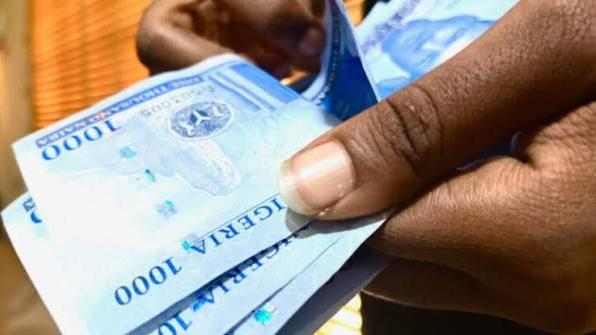
The naira strengthened to ₦1,331.50 per dollar at the official Nigerian Foreign Exchange Market on Wednesday. The same day, it weakened to ₦1,362 in the parallel market. The spread between the two markets now sits above ₦30.
Spot data tracked through the day showed the official rate closing near ₦1,326. That is a modest daily move of about 0.3 percent. Context matters here. The naira is up nearly 10 percent against the dollar over the past year. Its all-time low of ₦1,717.50, hit in November 2024, is firmly in the rearview mirror.
The buffers are stronger too. Gross reserves stood at $54.95 billion as of the latest reading. That gives the Central Bank room to smooth volatility.
Analysts still see mild pressure ahead. Trading Economics models project the naira at ₦1,324.80 by quarter-end and ₦1,307.30 within 12 months. That implies slow appreciation if current policies hold.
For businesses, the dual rates remain the headache. Importers who cannot access official windows pay the parallel premium. That cost feeds into prices on shelves and at fuel stations.
The official market is calm. The street market is not. Until the gap narrows, importers and households will keep paying the difference.