Numbers arrived from Washington on Tuesday. Africa's 2026 growth forecast rose to 4.3 percent. Nigeria was named among the upgraded economies. The naira is steadier than it was two years ago. The stock market touches record levels. By the metrics, reform is working.
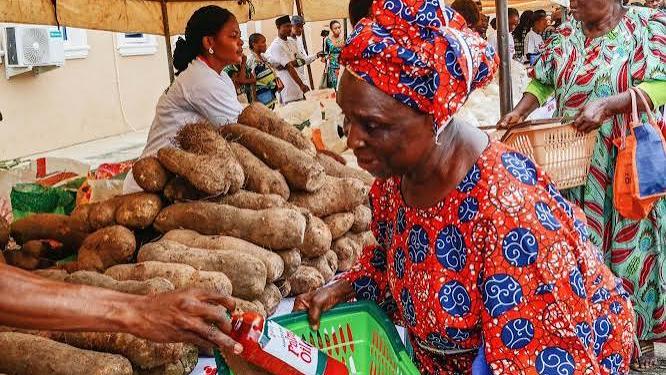
Walk through any Nigerian market and ask. The trader paying double for a bag of rice does not feel 4.3 percent. The commuter facing transport fares set in dollars does not feel upgraded. Experts concede the point: reforms have stabilized the economy, but household pain persists.
This is not an argument against reform. The alternative was worse. Reserves were depleted. Subsidies were bleeding the treasury. The policy choices were painful but necessary. The World Bank itself credited years of reforms for the upgrade.
The argument is about sequencing and communication. Macroeconomic stabilization is phase one. Household relief is phase two. Nigeria is stuck between phases. Wage negotiations are stalled. Public servants just ended a warning strike with demands unmet.
Election season compounds the pressure. Politicians will promise relief in 2027. Voters will ask why it did not come in 2025.
Growth that never reaches the kitchen is a statistic. The upgrade is welcome. The translation is overdue.