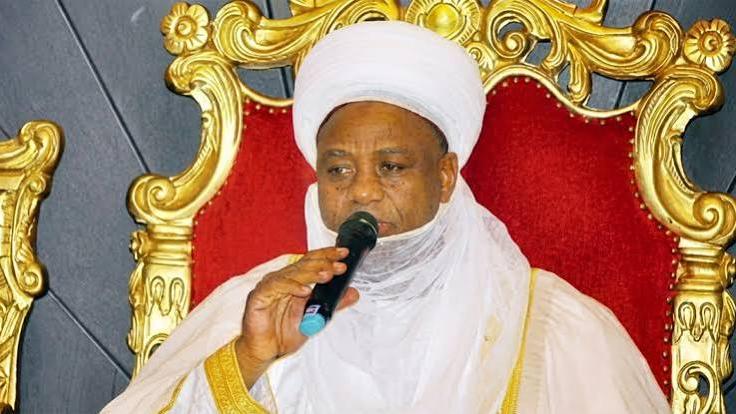
The Nigerian Supreme Council for Islamic Affairs has called on the Federal Government to overhaul the country's security architecture. The council wants urgent action to reduce the cost of food and transport.
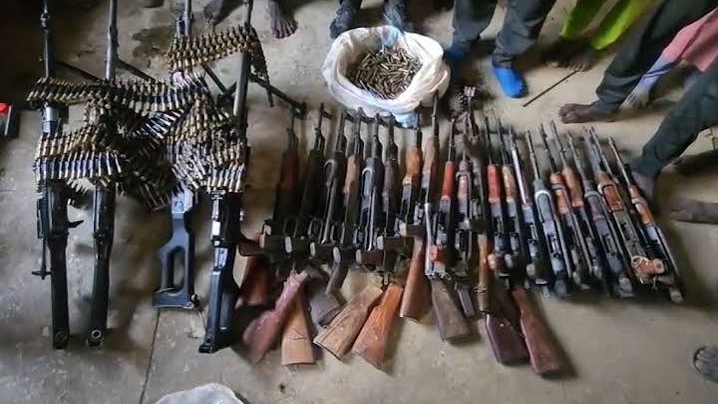
The appeal comes at a raw moment. Nigeria is mourning 25 military personnel lost in Monday's Ondo crash. Insecurity persists across several regions. The council's intervention adds religious weight to demands already coming from labor unions, opposition figures, and civil society.
Its timing is notable. The council spoke the same day newspapers tallied Nigeria's military-aircraft losses at nine or more crashes in five years. The Senate postponed its National Security Summit over the crash. The NSCIA's call fills part of the vacuum that postponement created.
On the economy, the council's language was direct. Food and transport costs are squeezing households nationwide. Its call aligns with warnings from the World Bank that growth is not yet reaching ordinary families.
The NSCIA is one of Nigeria's most influential religious bodies. Its statements carry weight with millions of Muslims and with political leaders. When it speaks on security, governments listen.
The council also framed its appeal around national unity. It urged calm and cohesion at a time of grief and economic strain. That message lands as political temperature rises ahead of 2027.
The government has not yet formally responded. It faces a now-familiar triangle of pressure: security failures, high living costs, and restless labor.