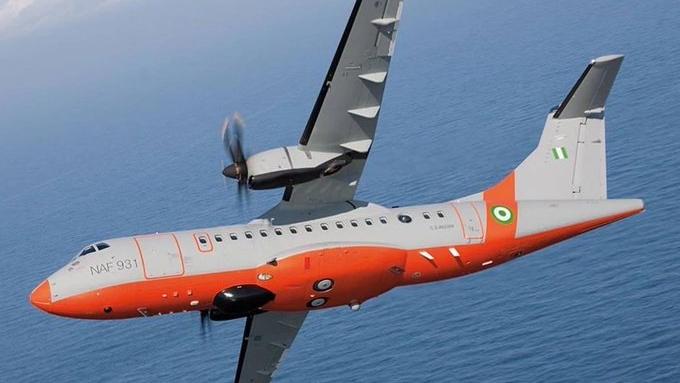
The black boxes from Monday's Nigerian Air Force crash have not been found. That is the critical fact as recovery efforts stretch into a third day. The ATR-42 went down in swampy terrain near Ondo State, killing all 25 people aboard.
President Bola Tinubu declared three days of national mourning. Flags are flying at half-mast. But mourning has given way to arithmetic.
The numbers are stark, and they do correlate. BusinessDay reported on Wednesday that Nigeria has suffered nine military-aircraft crashes and 63 deaths over five years. Estimated losses stand at ₦34.8 billion, roughly $23.2 million. Punch, in the same-day edition, counted at least 10 crashes and 68 deaths since 2021.
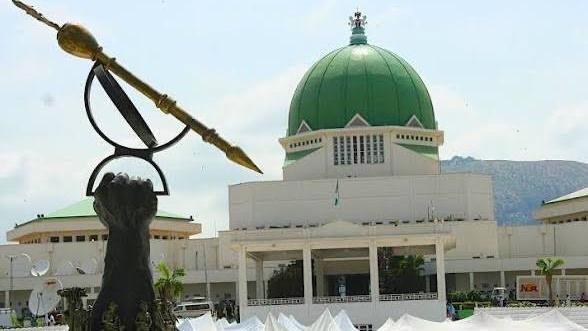
That discrepancy matters. A nation in mourning cannot yet agree on the size of its wound. Lawmakers have taken note. The Senate has indefinitely postponed its two-day National Security Summit, originally scheduled for October 12 and 13. The crash has effectively silenced the very forum meant to address security.
The Air Force has named the crew and passengers. Families are preparing burials. Investigators face difficult work in the swamp. Without the black boxes, the cause of the crash remains unresolved. The question now is institutional. How many aircraft has Nigeria lost? At what cost? And who will answer for it?